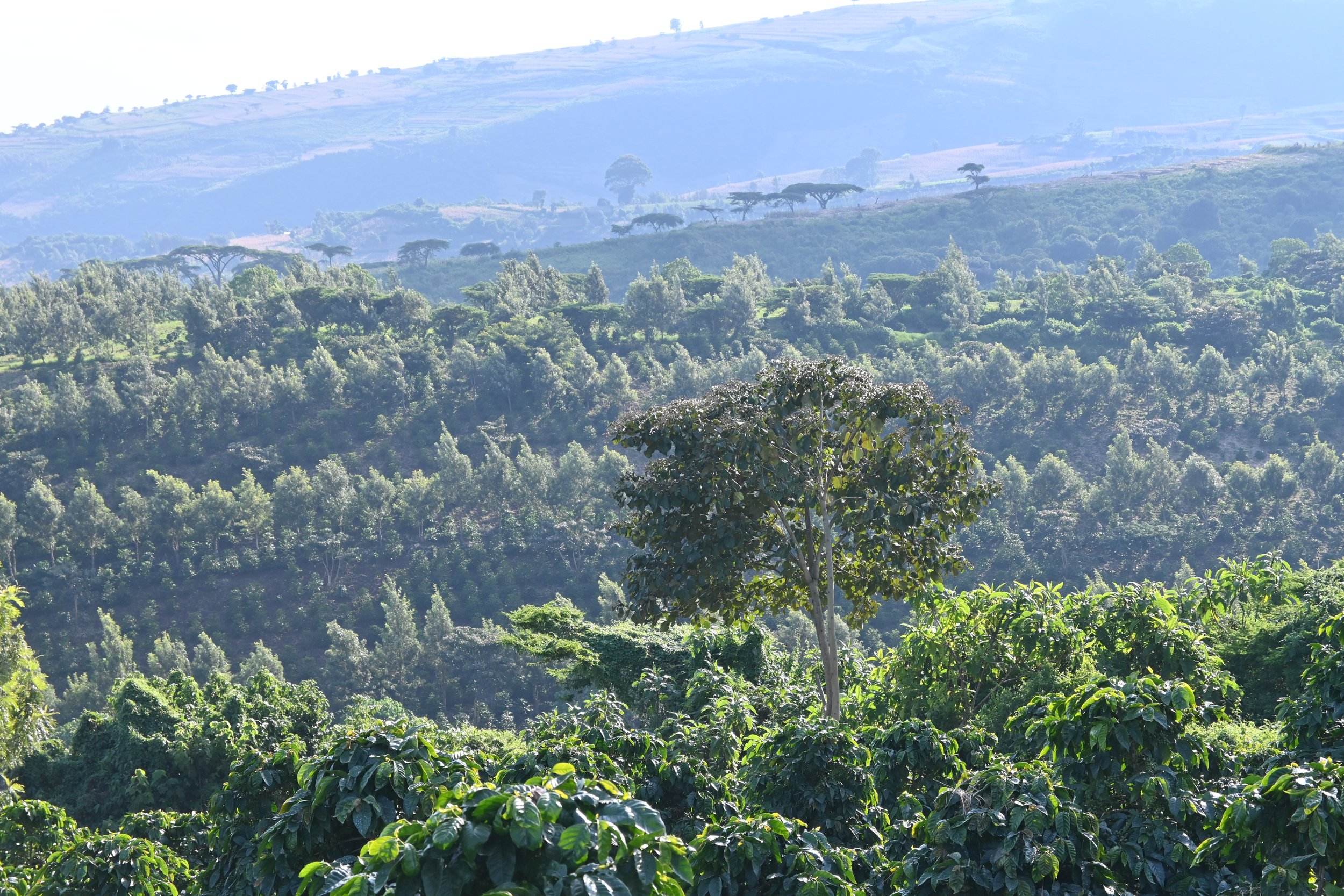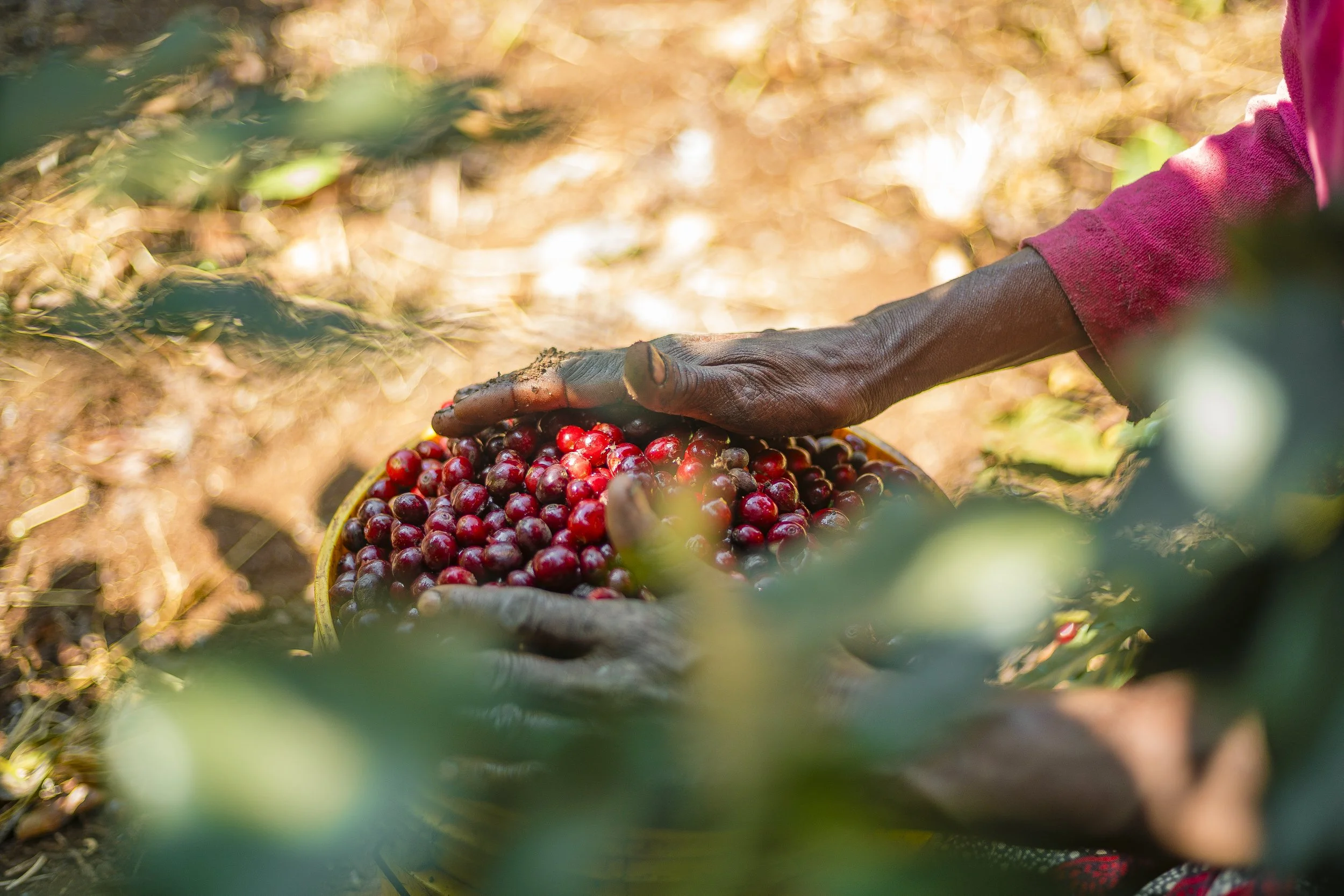
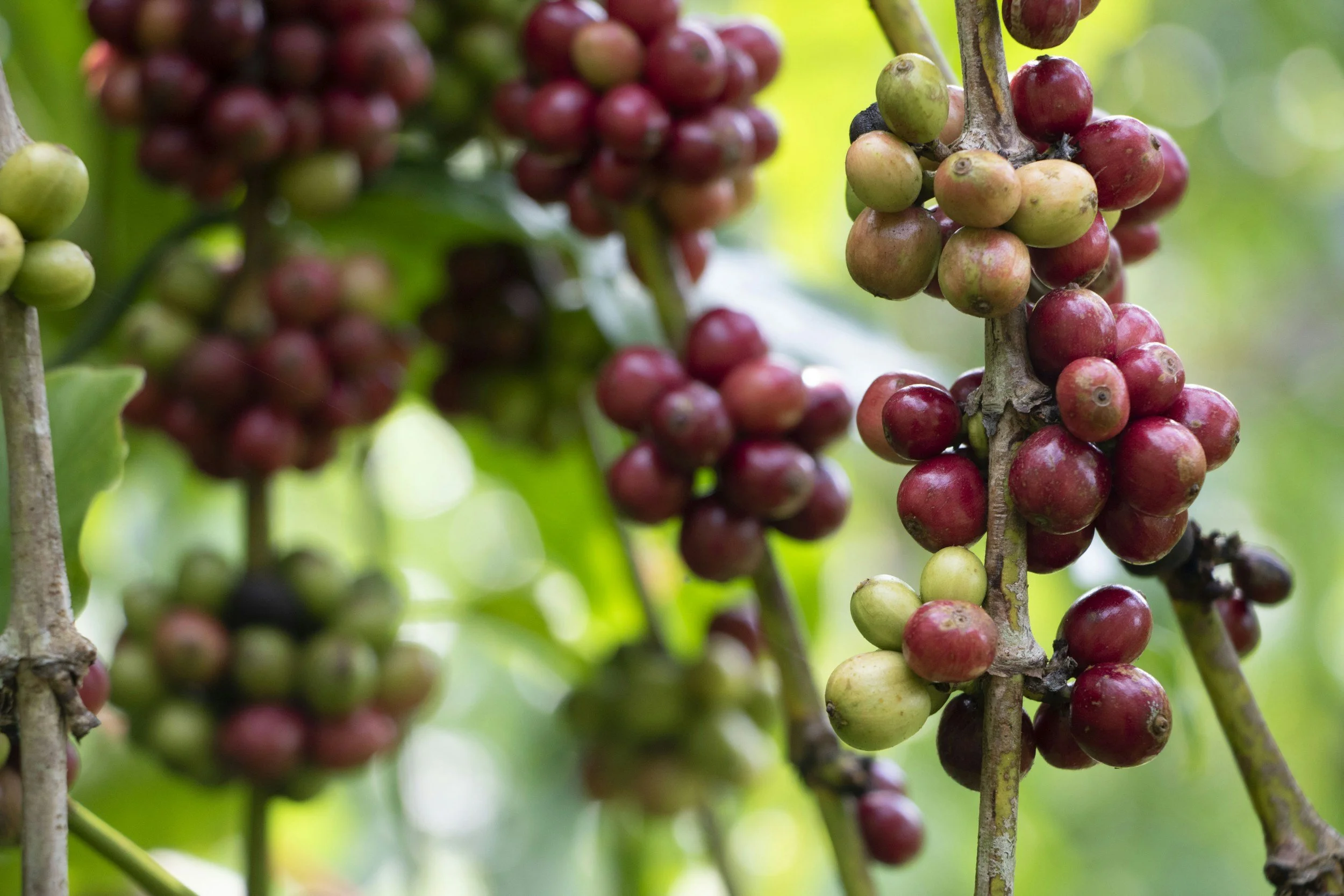
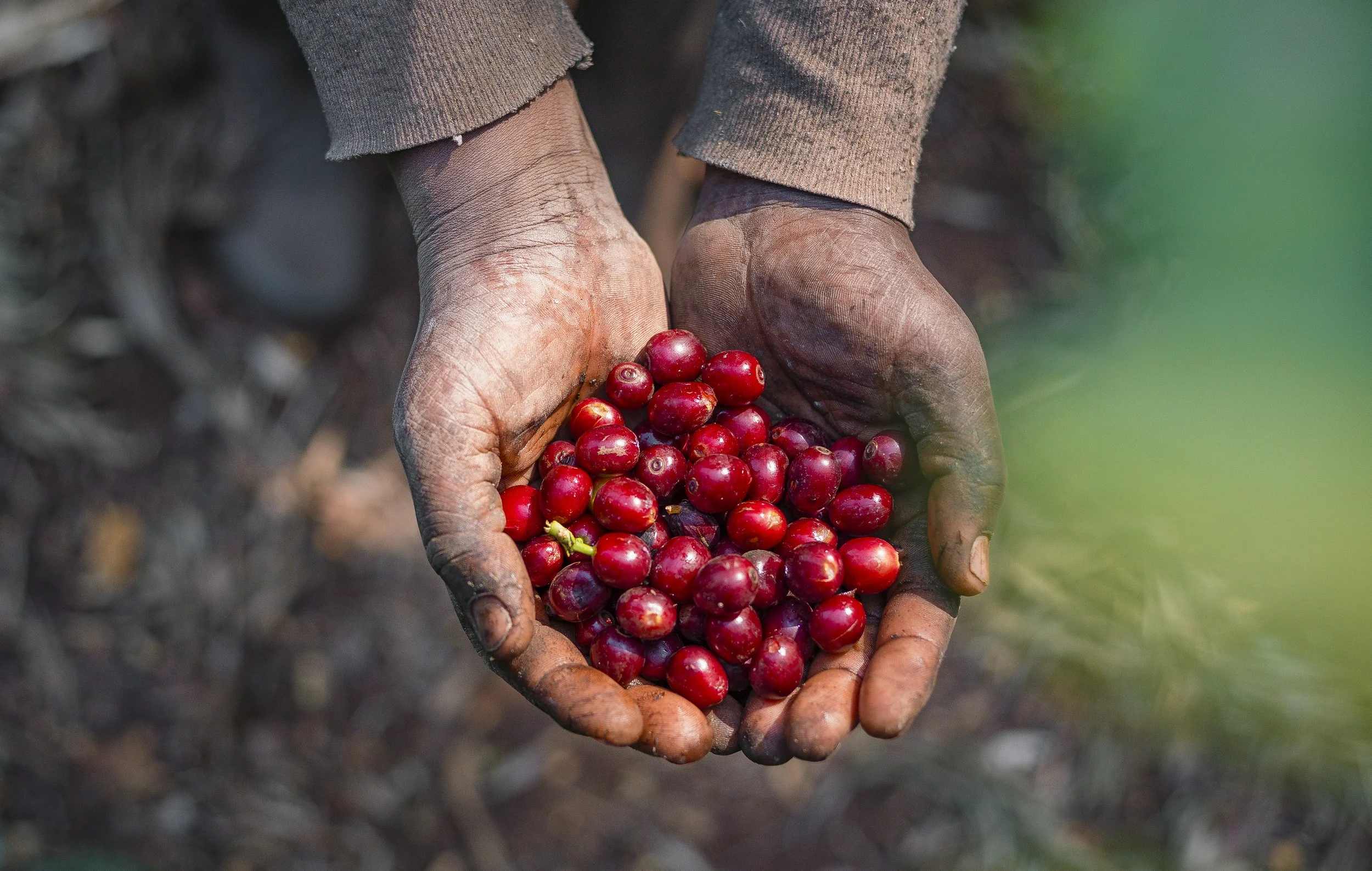
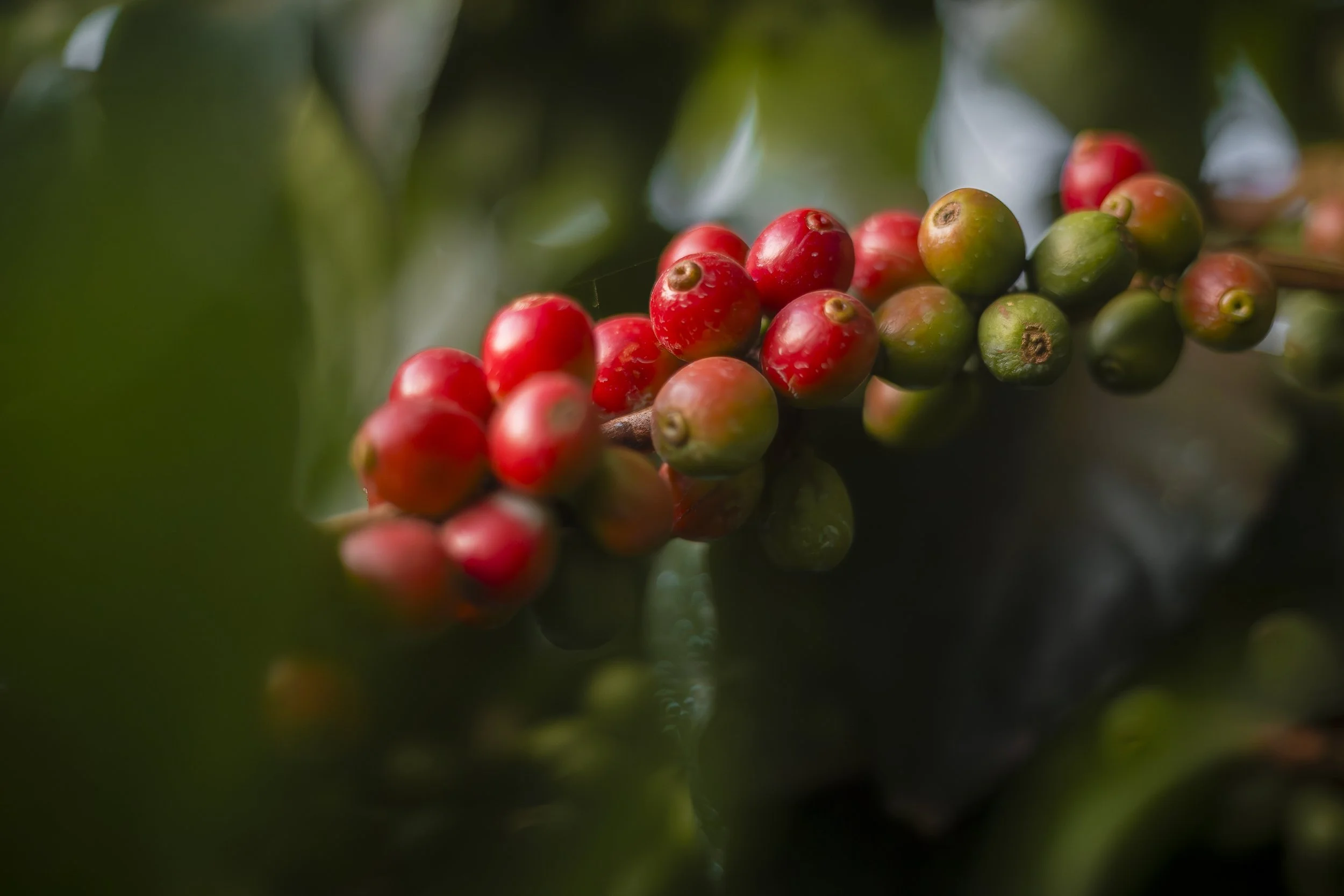
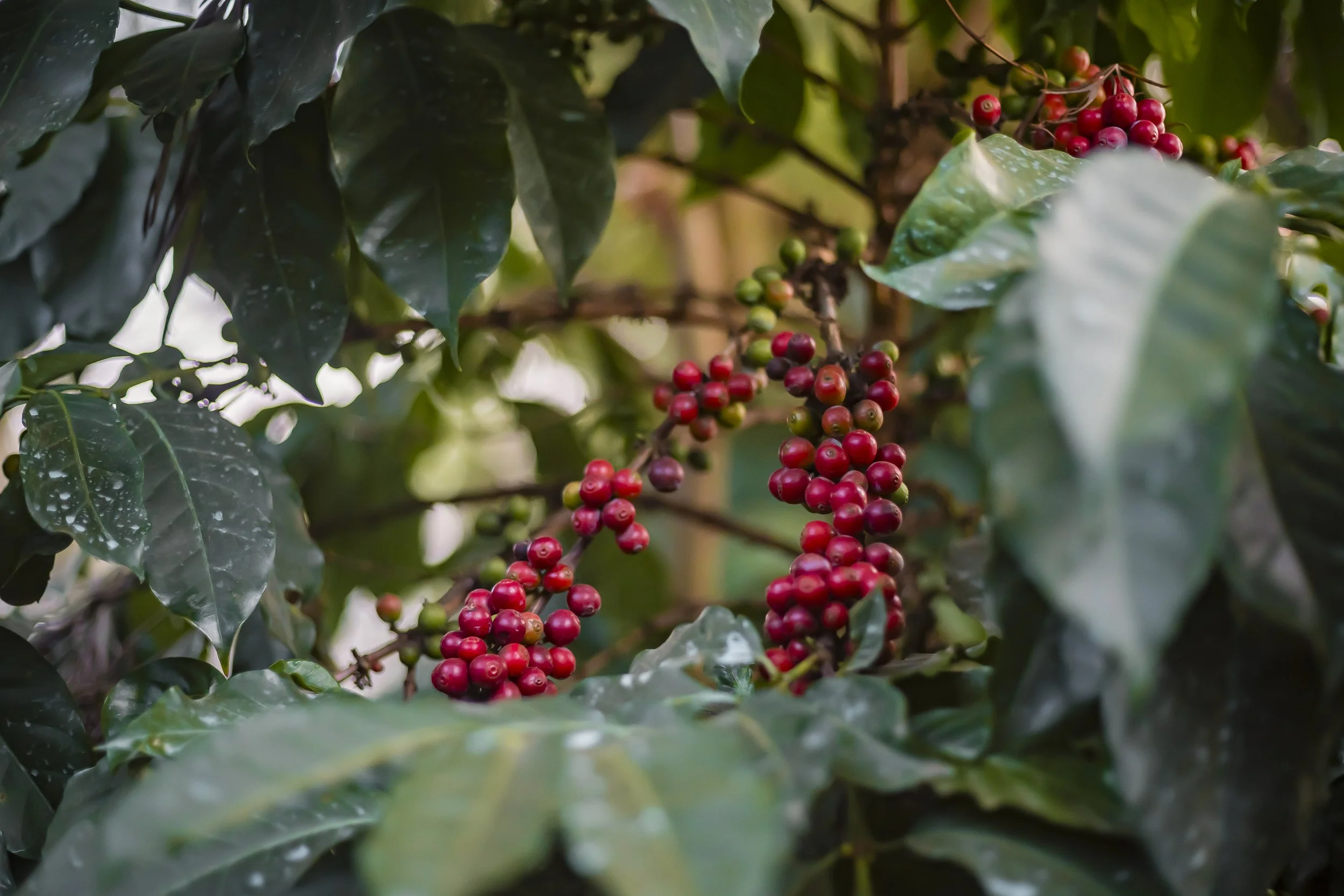
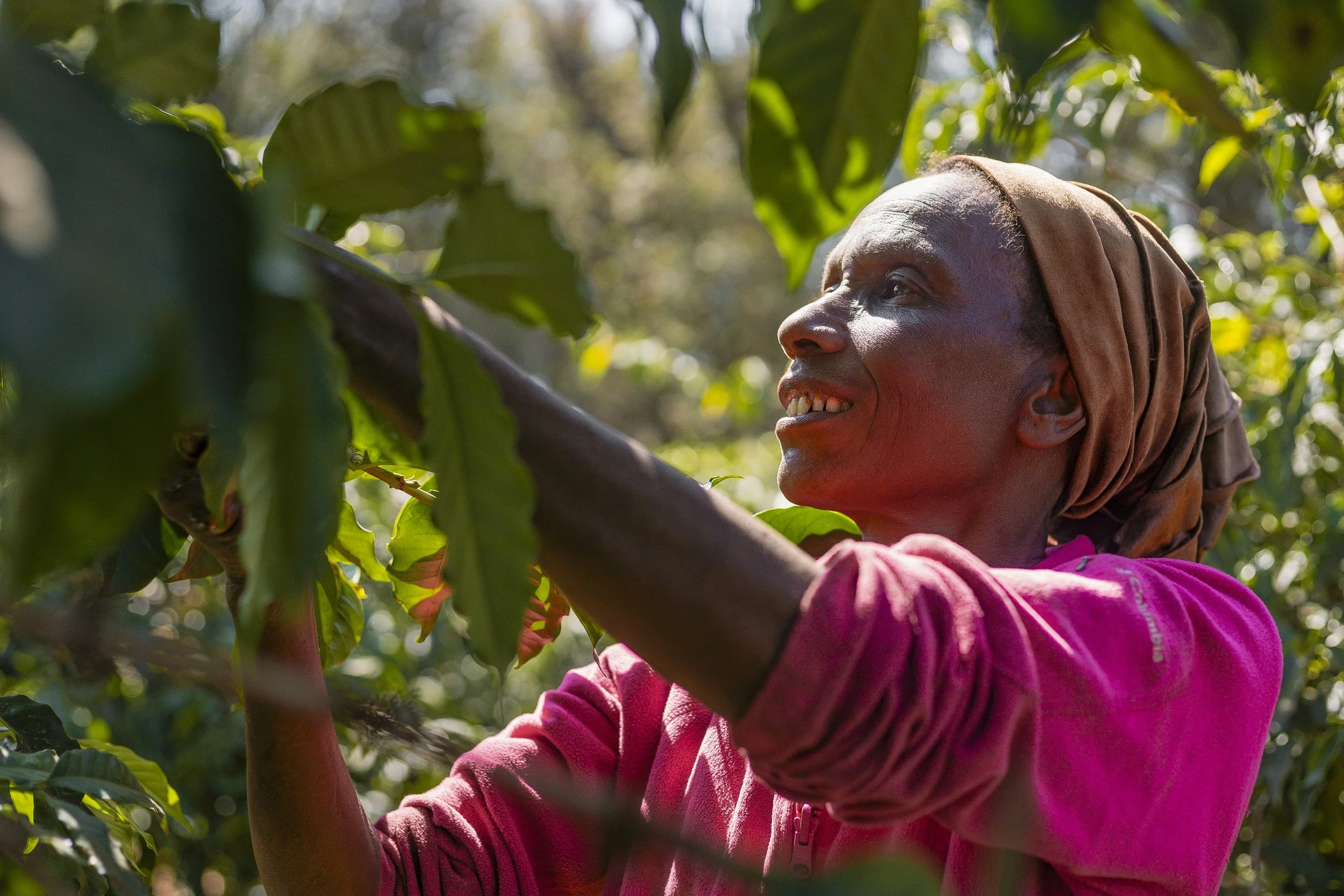
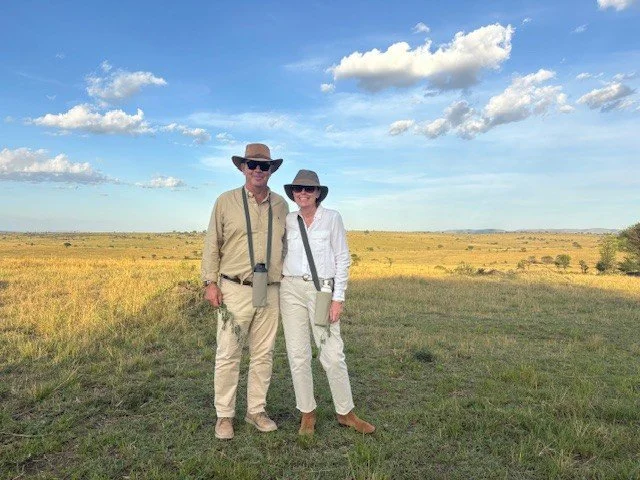
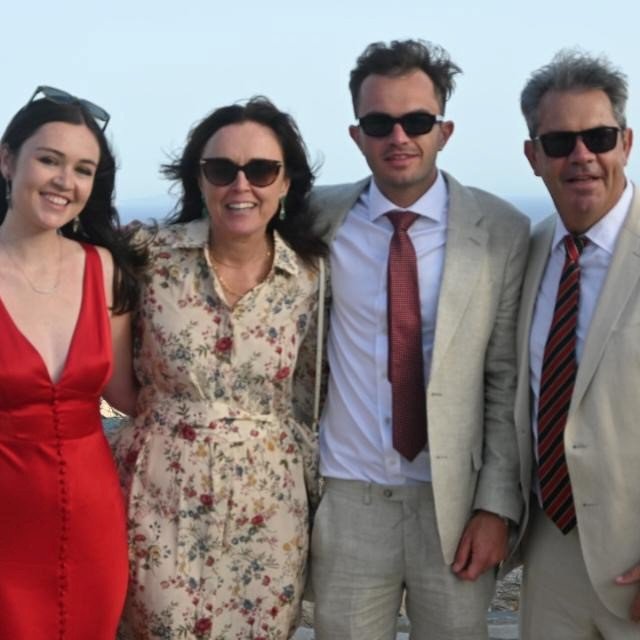
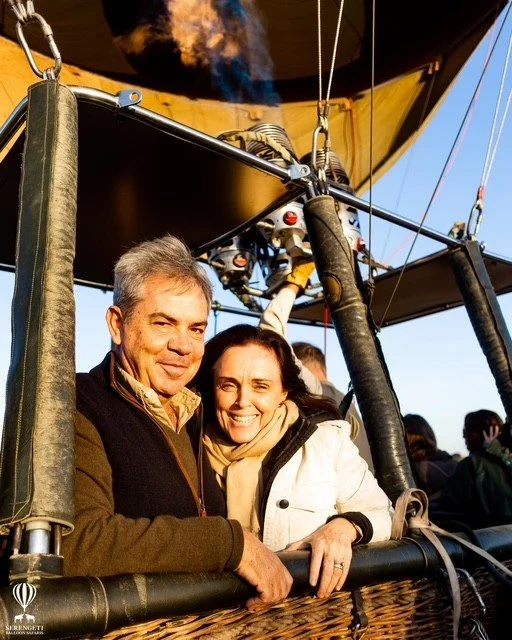
Back in 2007, Leon and Aideen Christianakis bought Acacia Hills Coffee Estate. With Leon’s family roots in coffee farming in Tanzania and the growing buzz around specialty coffee, they set out to turn the estate into something special—high-altitude, shade-grown coffee at its best.
What started as a run-down, neglected farm has, through a lot of hard work and determination, been transformed into a place known for producing award-winning coffee. It’s really a story about the land, a clear vision, and the persistence to make it happen.
Working with the land, not against it
From the beginning, the estate has embraced a philosophy of precision, patience, and sustainability. Coffee is cultivated in shade-grown systems and agroforestry arrangements, with ongoing experimentation to ensure that each harvest preserves both quality and the surrounding forest ecosystem. Leon views the farm as a place of learning, sharing knowledge with visitors, interns, and fellow producers in the region.
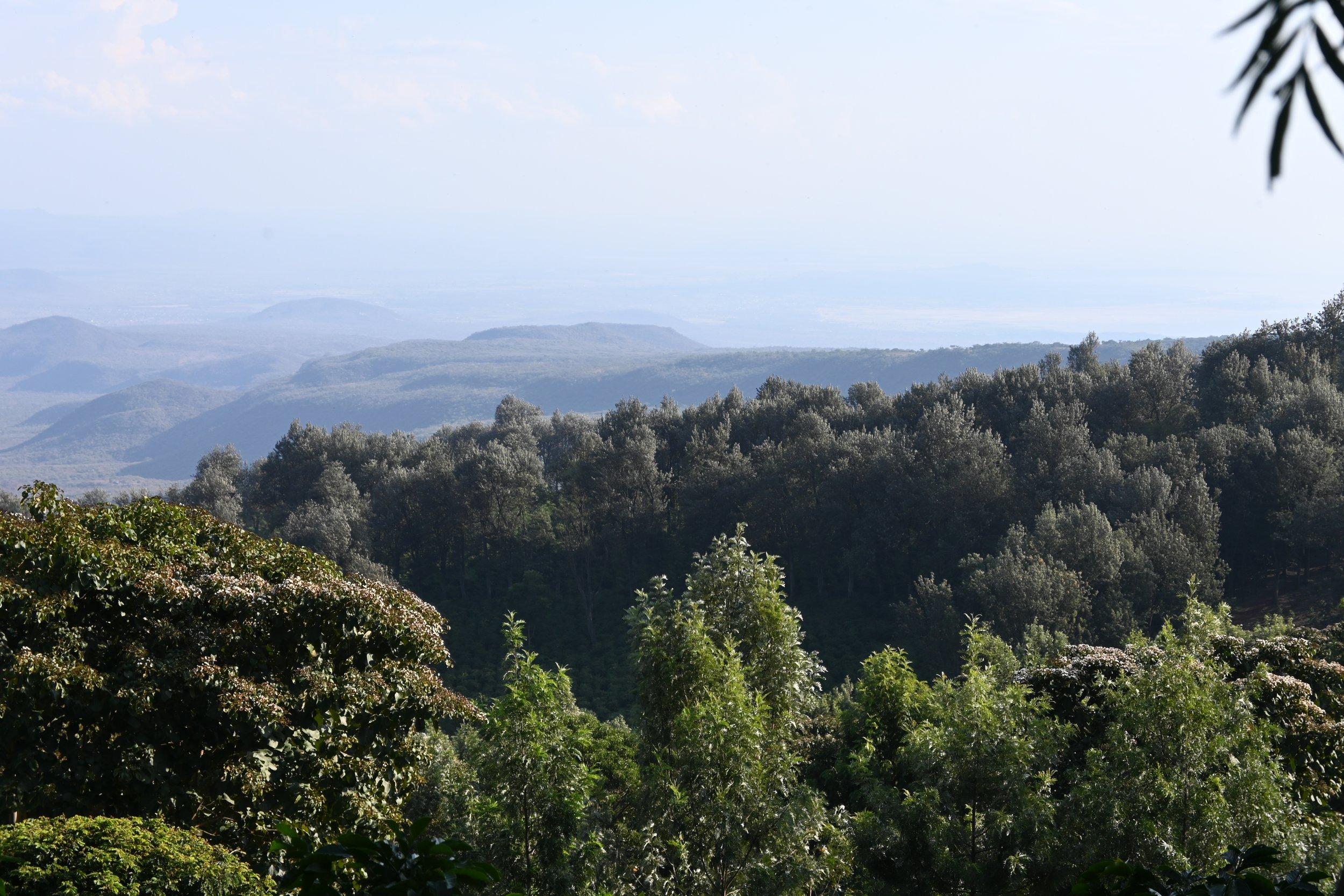
Volcanic soil, forest shade, highland mist
Acacia Hills coffee has gained international attention, reaching specialty roasters worldwide, including in Japan and the United States. Early collaborations, such as with Mark Stell of Portland Coffee Roasters, and participation in auctions hosted by the Alliance for Coffee Excellence, helped cement its reputation. Today, the estate is recognized not only for exceptional Geisha, Kent, and Bourbon varieties, but also for its careful stewardship, consistency, and commitment to long-term sustainability.